Discover Tampa Plastering Services for professional plaster repair and installation solutions
Discover Tampa Plastering Services for professional plaster repair and installation solutions
Blog Article
Plaster Work: Get an Flawless Finish for Your Interior Areas
Plastering services serve an important function in enhancing the aesthetic appeal of interiors. By modifying rough walls into smooth surfaces, these services not only enhance looks but also address structural complications. Various methods are provided, each designed for different needs and preferences. Being aware of these options can be crucial for homeowners. What factors should one evaluate when deciding on the right plastering method? The answer may shock you.
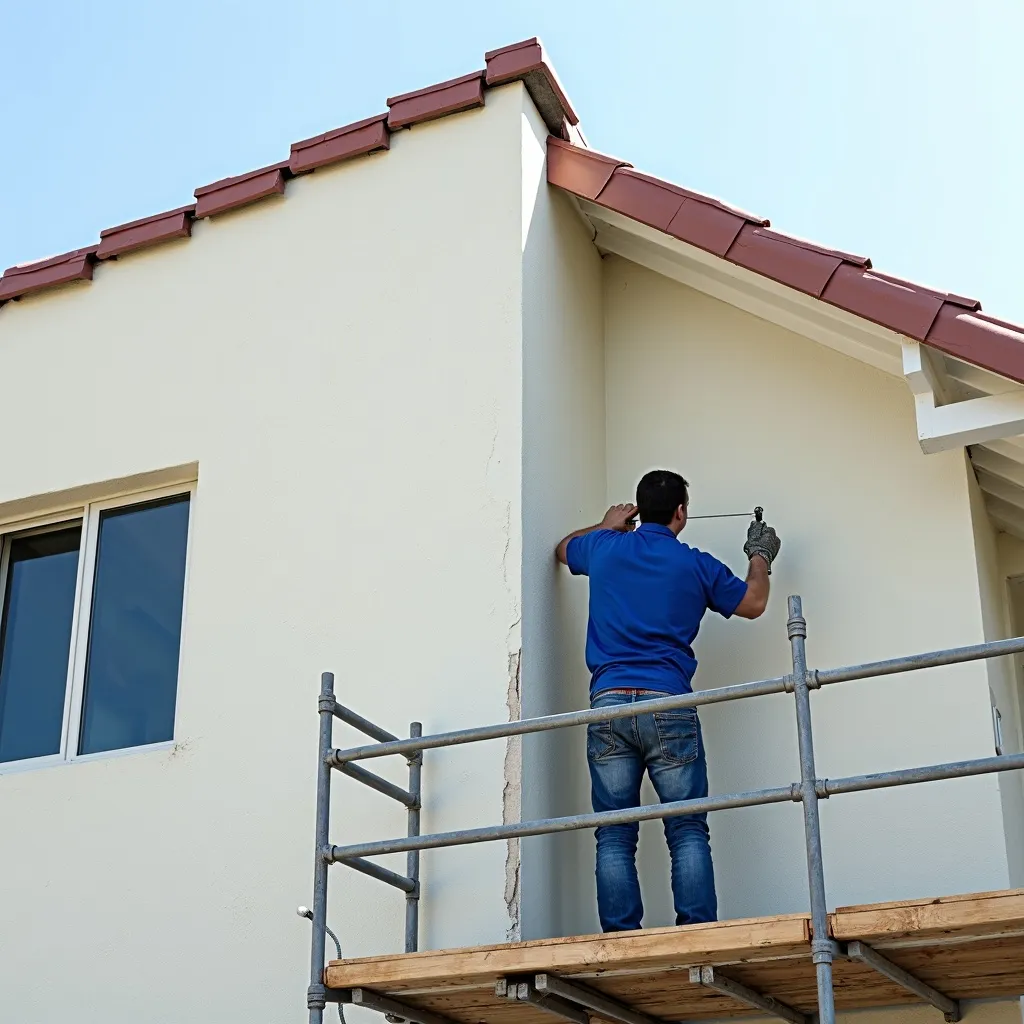
The Key Advantages of Skilled Plastering
Quality plastering work offers numerous rewards that boost the quality of interior spaces. This professional expertise strengthens the aesthetic character of walls and ceilings, presenting a uniform and sleek surface that is visually impressive. Moreover, professional plaster work supports improved longevity, shielding surfaces from wear and tear with the passage of time. The use of high-quality plaster can also support better insulation, controlling thermal conditions and potentially reducing monthly utility expenses.
In addition, trained plastering experts possess the skills and expertise needed to locate and fix embedded problems, such as moisture or structural problems, before they grow worse. This proactive approach not only certifies a unblemished finish but also lengthens the durability of the work. Furthermore, the use of get going advanced materials and techniques validates a premium final result, making spaces more inviting and comfortable. Ultimately, investing in professional plastering services establishes the base for beautifully finished interiors that withstand the test of time.
Widely-Used Stucco Methods and Their Uses
Plaster methods fulfill different decorative and practical needs in interior spaces. One standard approach is classic plaster work, which requires applying a base coat followed by a finish coat, creating a smooth surface ideal for color application. Another approach is plaster skimming, where a thin layer of plaster is spread over existing walls to enhance their look without extensive repairs.
Dimensional plaster finishing adds decorative appeal and may conceal blemishes; methods including knockdown or stucco texture form distinctive textures well-suited for various style preferences. Venetian plaster, a high-end alternative, provides a opulent, lustrous appearance through numerous coats and distinctive installation methods, often enhancing the character of upscale environments.
Ultimately, drywall plastering is regularly utilized for new constructions, offering an efficient way to complete walls and ceilings. Each technique fulfills varied purposes, allowing homeowners and designers to attain desired aesthetics while guaranteeing durability.
How to Select the Best Plastering Approach for Your Space
Finding the optimal plastering technique demands a careful assessment of the wall's condition and the specific functionality of the room. Understanding these factors aids in identifying the most appropriate products to use. By considering both the environment and functional requirements, you can achieve an informed choice that enhances the space.
Assess Your Wall State
How can one find the most appropriate plastering technique for their area? Evaluating the wall condition is essential in this selection process. The first step involves inspecting for fissures, moisture, or uneven surfaces, which can influence the selection of plastering method. For instance, walls with major defects may require repair before plastering, while smoother surfaces might benefit from a basic skim coat. Additionally, determining the type of wall material—such as drywall or masonry—plays a critical role in selecting the right plaster. A comprehensive evaluation guarantees that the chosen technique not only improves appearance but also provides lasting durability. Ultimately, understanding the wall's condition allows for informed decisions that result in a flawless finish.
Consider Room Function
When assessing the optimal plastering technique for a space, comprehending the room's functionality is essential. Varying areas of a home serve distinct purposes, which can affect the plastering approach. For instance, high-traffic rooms like hallways may gain from more resilient finishes that resist wear, while bedrooms might emphasize aesthetics and smooth textures for increased comfort.
Additionally, moisture-prone areas such as bathrooms demand expert methods to prevent mold and damage. In contrast, living rooms could emphasize decorative plaster finishes to improve visual appeal. By matching the plastering technique with the particular purpose of each room, one can achieve not only a flawless finish but also ensure durability and performance tailored to the environment's needs.
Select Appropriate Resources
What materials are most suitable plastering in a specific space? The choice of plaster materials greatly impacts the finish and longevity of the area. Traditional lime plaster is excellent for older buildings, providing flexibility and vapor permeability, which prevents moisture buildup. Gypsum plaster, known for its rapid drying, is appropriate for modern interiors and delivers a even finish. For high-moisture areas, such as bathrooms, waterproof plaster is recommended to avoid mold development. Additionally, considering the underlying surface is essential; plaster should adhere well to materials like brick or concrete. Ultimately, selecting the appropriate plaster type improves both aesthetics and practicality, ensuring the interior spaces stay beautiful and resilient over time.
Main Signals That You Should Get Professional Plastering
When assessing the need for professional plastering, multiple key signs can indicate underlying problems. Cracks and openings, uneven wall surfaces, and evidence of water deterioration are critical elements to take into account. Addressing these problems quickly can avoid further deterioration and ensure a even, aesthetically pleasing interior.
Cracks And Openings Evident
Cracks and holes deeply weaken both the appearance and structural soundness of indoor spaces. These flaws not only damage the overall look but can also point to internal problems within the walls. Minor cracks may appear trivial, but they can extend over time, causing more damage. Holes, whether made by nails or other things, form weak spots that harm insulation and energy efficiency. Homeowners should not overlook these indicators; responding to them quickly with professional plastering guarantees a smooth finish and avoids more expensive repairs later. Ignoring cracks and holes could lead to higher maintenance costs and an unpleasant environment, making prompt action crucial for maintaining the appearance and longevity of indoor spaces.
Uneven Wall Sections
Uneven walls can greatly reduce the aesthetic appeal of a home, signaling the requirement for professional plastering services. Homeowners often notice differences in wall surface, with certain areas appearing coarse or bumpy. These flaws can result from improper installation, building settlement, or wear over time. An uneven surface not only impacts the overall look but can also obstruct the application of paint or wallpaper, leading to an undesired outcome. Additionally, light can throw shadows on uneven walls, further highlighting imperfections. Engaging professional plastering services makes certain that these surfaces are smoothed out, providing a uniform base for additional decoration. A smooth wall contributes considerably to a home’s ambiance and value, making prompt action crucial.
Water Damage Symptoms
Water damage can occur in several forms, often signifying the immediate need for professional plastering services. Homeowners need to be vigilant for distinctive signs. Stains or marks on walls and ceilings are main indicators, often appearing as yellow or brown patches. Bubbling or flaking paint also suggests underlying moisture problems, as does the presence of mold or mildew, which can reduce indoor air quality. In addition, if walls feel damp or give off a musty smell, it may indicate hidden water damage. Cracks or crumbling plaster can further highlight structural issues associated with moisture penetration. Addressing these signs quickly with professional plastering services is necessary to maintain a secure and aesthetically pleasing home environment.
What Financial Commitment Do You Require for Plaster Services?
What amount might you anticipate to spend in plaster work for indoor areas? The expense of plastering fluctuates significantly dependent on several factors, including the size of the area, the type of material used, and the difficulty of the project. On typically, homeowners can anticipate paying from $1.50 to $3.50 per square foot for basic plastering. For more specialized finishes, such as Venetian plaster, costs may rise to $6 or more per square foot.
Extra fees may develop from setup work, such as mending existing walls or ceilings. Labor costs also constitute an important aspect, with skilled plasterers setting hourly rates that can go from $25 to $75. Ultimately, collecting multiple quotes from licensed professionals can give a clearer picture of the expected investment, ensuring homeowners decide with knowledge while reserving money for their plastering projects.
Care Guidelines for Your Newly Plastered Interiors
After purchasing plastering solutions for internal spaces, maintaining the freshly completed surfaces becomes crucial for longevity and appearance. Regular cleaning using a soft, dry cloth helps prevent dirt accumulation. It's advisable to avoid abrasive cleaners that can damage the surface. Instead, mild soap mixed with water can be used for occasional cleaning.
Humidity management is essential; excessive moisture can produce mold or damage. Employing a dehumidifier in damp areas can address this risk. To protect from damage and indentations, opt for floor protectors under large furniture.
Check the plaster periodically for damage or deterioration, tackling any problems quickly to avoid further damage. In conclusion, applying a suitable sealant can enhance longevity and ease of cleaning, guaranteeing the plaster preserves its visual beauty over time. Following these maintenance tips will help preserve the appearance and structural quality of newly plastered interiors.
Often Requested Responses and Questions
What Period Can You Anticipate When Plastering a Surface?
Plastering usually requires 1-3 days to finish, contingent upon the size of the area and the intricacy of the job. Setting period can prolong the total timeline, requiring additional days for superior results.
May I apply Plaster Over pre-existing Wallpaper or Paint?
Covering existing wallpaper or paint with plaster is generally not recommended. The surfaces may prevent proper adhesion, contributing to cracks or peeling. For greatest success, removing the wallpaper or paint before plastering is prudent.
Which Varieties of Plaster Compounds Can You Find?
There are various plastering options on the market, including gypsum plaster, lime plaster, cement plaster, and acrylic plaster. Each variety delivers distinct characteristics, fitting for different uses, conditions, and wanted results, catering to varied construction and aesthetic specifications.
Can Plastering be Used for Outside Applications?
Plastering works well for exterior projects, notably when employing specialized outdoor plaster products that combat humidity and thermal changes. These materials improve longevity while offering an protective and aesthetically pleasing finish for assorted exterior surfaces.
How Do I Get Ready My Room for Plastering?
To ready a room for plastering, one should remove furniture, cover floors with drop cloths, clean walls, repair any damage, and guarantee proper ventilation. Sufficient preparation ensures a easier application and better final results.
Report this page